Most service businesses default to a three-tier model: Bronze, Silver, Gold. On paper it looks sensible. In practice it rarely works. The Bronze level is often so weak it is worthless, the Gold too expensive to justify, and customers default to the middle option. That is not pricing strategy, it is simply forcing their hand.
The approach comes from what is known as the Goldilocks principle or “good-better-best” pricing. It is designed to make one option appear just right. It looks balanced, but it often ignores what people really need.
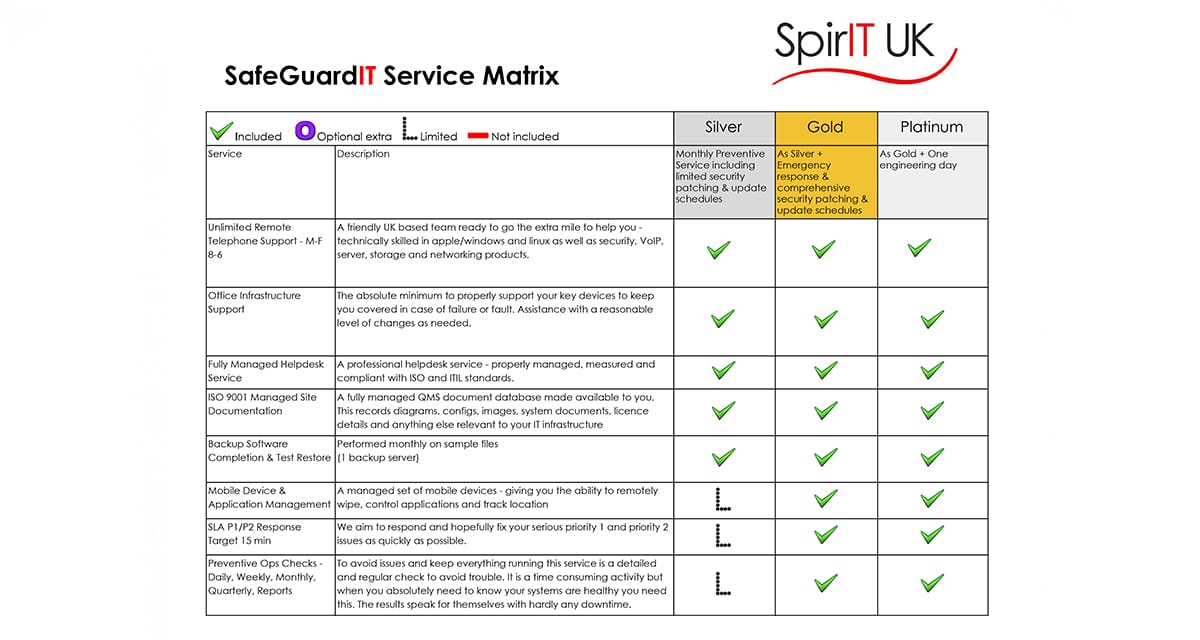
When we worked with Spirit UK, an established IT service provider, we explored a different route. Instead of pre-set tiers, pricing was shaped around real variables: the number of users, the number of machines, and how often support was needed. A simple slider system showed how those choices affected cost instantly.

Pricing that reflects behaviour builds trust. It helps customers see value in context and creates transparency that feels more like advice than selling.
Read the full case study